In a nutshell
- 🍚 Controlled steam is the secret: a fixed micro-vent (2–3 mm) prevents sogginess or dryness, producing consistently fluffy, separate grains.
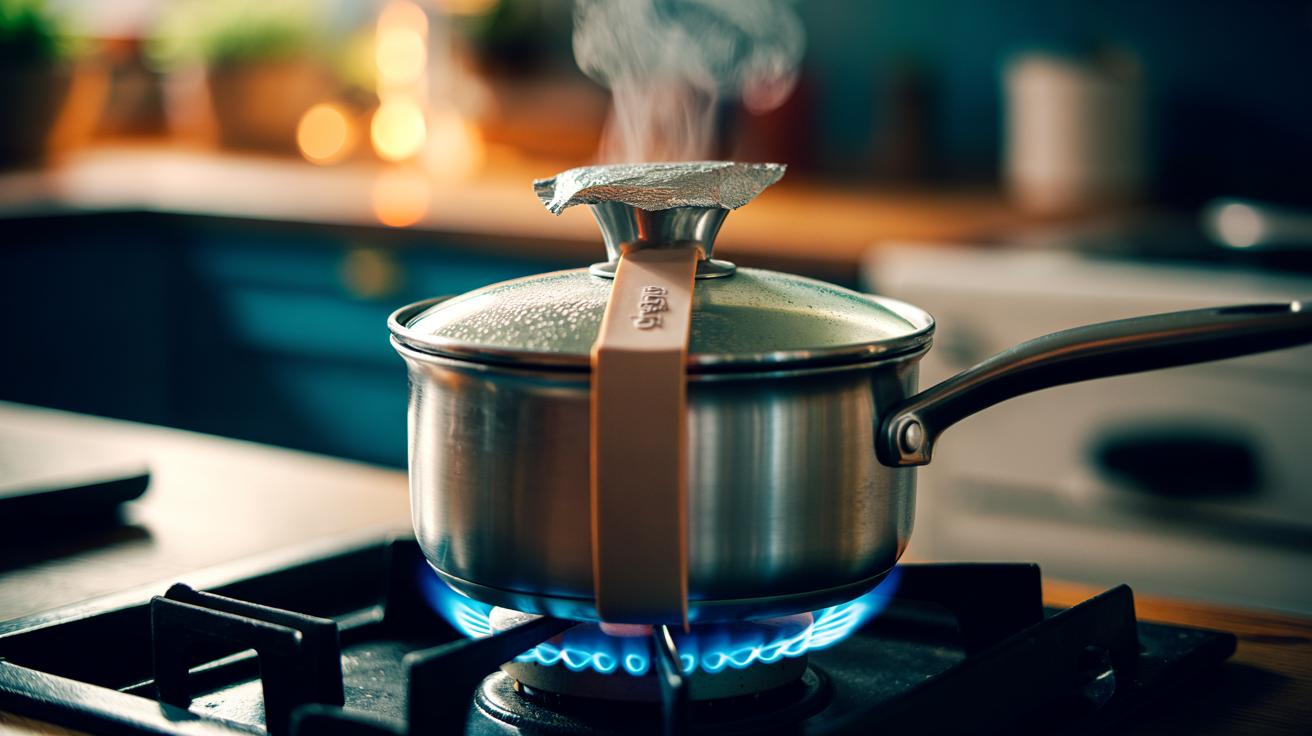
- 🔧 Method: use a heat-safe silicone band to hold the lid over a small spacer (foil or stirrer), stabilising the gap; simmer gently, then rest 10 minutes before fluffing.
- ⏱️ Ratios and timings you can repeat: Basmati 1:1.5 (10–12 min), Jasmine 1:1.25–1.33 (9–11), Short-grain 1:1.2–1.3 (12–14), Brown 1:1.75 (28–32); tweak vent by 1 mm if needed.
- 🧪 Troubleshooting: wet/claggy—widen the gap slightly; chalky—narrow it or add a minute; scorched base—lower heat or use a diffuser; don’t stir during simmer.
- 🔥 Safety: keep bands away from flames, use silicone not ordinary rubber, and position above the pan’s shoulder on gas; once dialled in, the setup is predictable and repeatable.
Fluffy rice isn’t luck. It’s physics, discipline, and a little ingenuity. The clever trick professional cooks whisper about is a controlled steam environment. Too much vapour escapes and the grains toughen. Trap too much and you end up with glue. Here’s the unexpected aide: a humble rubber band — preferably silicone and heat-safe — used to hold a lid at a precise angle so steam escapes at a steady, predictable rate. The result is consistent texture, fewer boil-overs, and grains that separate like confetti. Small control, big payoff. If you’ve ever lifted a lid to disappointment, this simple tweak could transform your midweek meals and your pilau pride.
Why Steam Control Makes or Breaks Rice
Rice cooking is a balancing act between water absorption and evaporation. Bring the water to a rolling boil and the violent bubbles batter fragile grains. Leave the lid sealed tight and condensation rains back, tipping the pan into soggy territory. The sweet spot is a gentle simmer with a tiny, reliable vent, so excess vapour escapes while enough moisture stays in to gelatinise starch and plump each grain. When steam behaves, texture follows.
Think of the lid as a thermostat for humidity. A lid rattling on the boil vents too much, forcing you to add water and overcook. Clamp it flat and you risk starchy runoff, uneven heat, and a sticky base. A measured vent — two to three millimetres at the rim — keeps the interior at a stable, self-regulating state. That stability encourages basmati to elongate without breaking, jasmine to stay tender yet distinct, and brown rice to relax its bran without turning mushy. Control the steam, and you control the result. It’s a small mechanical fix with outsized culinary consequences.
The Rubber Band Method, Step by Step
The goal is simple: hold your lid at a set, repeatable gap. Ordinary rubber can soften near heat, so use a wide, heat-safe silicone band or a reusable silicone jar band. Here’s the method. Bring rinsed rice and water to a boil in a medium, heavy-based pan. Place a small folded strip of foil (or a wooden coffee stirrer) on the pan rim to create a 2–3 mm spacer. Set the lid down so it rests on that spacer. Now loop the silicone band vertically over the lid knob and down around the pan body, so it gently compresses the lid against the spacer. You’ve built a micro-vent that won’t shift when the hob vibrates.
Turn the heat to low. You should see a thin ribbon of steam escaping at the gap — steady, not furious. Adjust once: if steam gushes, move the spacer inward to narrow the vent; if condensation floods the lid and drips, widen by a millimetre. With the vent fixed, simmer times become predictable. The band prevents rattling, reduces foamy boil-overs, and stops the lid from creeping closed as pressure builds. When cooking ends, switch off the heat, remove the band, close the lid fully, and rest the rice for 10 minutes to finish the bloom.
Timing, Ratios, and Reliable Results
Ratios matter. So does the size of your vent. With a controlled micro-vent, water usage becomes strikingly consistent across pans. Use the table below as a dependable baseline, then tweak by a tablespoon if your hob runs hot or your pan is very wide.
| Rice Type | Rinsing | Water Ratio (cup:cup) | Simmer Time | Rest (Lid Closed) | Vent Gap |
|---|---|---|---|---|---|
| Basmati | Rinse until clear | 1 : 1.5 | 10–12 min | 10 min | 2–3 mm |
| Jasmine | Quick rinse | 1 : 1.25–1.33 | 9–11 min | 10 min | 2 mm |
| Short-Grain/Sushi | Rinse thoroughly | 1 : 1.2–1.3 | 12–14 min | 10 min | 2 mm |
| Brown (Long-Grain) | Optional rinse | 1 : 1.75 | 28–32 min | 10–15 min | 3 mm |
Do not stir during the simmer. Stirring ruptures grains and releases surface starch, encouraging clumps. Instead, let the controlled vent do the work. When resting, keep the lid fully closed so residual heat equalises moisture from bottom to top. Fluff gently with a fork at the end, lifting rather than mashing. The repeatable vent makes every stage calmer, cleaner, and crucially, more forgiving.
Troubleshooting and Safety You Should Know
If your rice is wet or claggy, you likely trapped too much steam. Next time, widen the gap by a millimetre and shorten the simmer by one minute; the closed-lid rest will finish cooking. If it’s chalky in the core, the vent was too wide or the heat too low — narrow the vent slightly and allow another minute at a gentle simmer. A scorched base points to a thin pan or high flame; use a diffuser or the smallest burner that fits the pan base.
Safety is straightforward. Keep bands away from naked flames and direct contact with hot metal. Fit the silicone band snugly but not so tight that it slips toward the heat source. On induction and ceramic hobs, placement is simpler because rims stay cooler; on gas, position the band above the pan’s shoulder. If you can smell rubber, stop, cool, and refit with silicone. The beauty of this method is its predictability: once you find your ideal spacer and setting, note them, and you’ll reproduce perfect texture midweek, weekend, every time.
Rice should be easy, not enigmatic. A small, heat-safe band and a sliver of space under the lid turn guesswork into craft, giving you consistent grains with minimal fuss and zero gimmickry. The controlled vent is the quiet hero of fluffy rice. From biryani to kedgeree, from sushi to simple buttered bowls, the method translates without drama. Now that you know why and how it works, what will you cook first — and how will you tune your own vent for the flavour and texture you love?
Did you like it?4.5/5 (27)